
Blog

  • How IT Solutions Can Transform Travel & Tourism Agencies in 2025

    How IT Solutions Can Transform Travel & Tourism Agencies in 2025

    man doing trekking in himalayas

    Introduction

    The travel and tourism sector is undergoing a digital transformation. With an increasingly large number of travelers requiring instant, frictionless, and customized experiences, travel agencies need to keep pace with the times to remain competitive. Legacy systems, manual reservations, and dispersed customer information are no longer acceptable to today’s customers. Enter IT solutions. From CRM and ERP software to AI-powered chatbots and blockchain technology, digital technologies are revolutionizing the way travel agencies do business. In this post, we delve into how Peunier Technologies provides expert IT services to assist travel and tourism agencies in scaling, streamlining, and thriving in the fast-paced digital age.

    man's car got out of fuel in mid of highway

    Most Important Challenges Confronted by Travel & Tourism Agencies


    1-Manual Processes and Data Entry

    Old-fashioned booking and customer management systems are slow and prone to errors.

    2-Diluted Customer Presence

    Most agencies still trust offline sales or outdated websites, with minimal visibility.

    3-Bad Customer Experience

    Inconsistent communication, delayed responses, and absence of personalization damage customer satisfaction.

    4-Lack of Automation

    Follow-ups, itinerary planning, and payment processing are frequently not automated and hence inefficient.

    5-Data Silos

    Data is distributed across spreadsheets, emails, and documents and hence is hard to collaborate and make decisions upon.

    how Peunier technology fixes issues

    How Peunier Technologies Fixes These Issues

    1. CRM and ERP Systems for Travel Agencies

    Peunier provides bespoke Customer Relationship Management (CRM) and Enterprise Resource Planning (ERP) solutions specifically designed for travel companies. These systems:

    Automate bookings, cancellations, and customer follow-ups

    Store customer profiles, preferences, and history

    Manage vendor, hotel, and transport partnerships

    Generate real-time itineraries and invoices

    Keyword usage: CRM for travel business, tour operator ERP system

    2. AI-Powered Chatbots and Virtual Assistants

    Modern travelers expect 24/7 service. With AI chatbots:

    Travelers get instant answers to FAQs

    Chatbots assist with booking, cancellations, and trip suggestions

    Reduce workload on customer service teams

    Keyword usage: AI in tourism industry, travel agency automation tools

    3. Website and Mobile App Design

    Your online shopfront matters. Peunier constructs:

    Responsive travel agency websites with booking engine integration

    Travel agency mobile apps with live chat, map integration, and real-time updates

    Payment gateways and customer feedback systems

    Keyword usage: travel agency website development, travel booking automation tools

    4. Digital Marketing and SEO Solutions

    Peunier’s digital marketing solutions include:

    Automated email campaigns for lead nurturing

    Retargeting ads to win back potential customers

    SEO content planning for travel blogs and destination pages

    These technologies enhance transparency and push more bookings online.

    5. Blockchain for Safe and Transparent Transactions

    Blockchain technology provides:

    Fraud-proof ticketing and identity verification

    Secure contracts with partners and hotels

    Transparent payment records

    Keyword use: blockchain in travel sector

    6. Cloud Integration and Data Analytics

    Centralized cloud infrastructure enables travel companies to:

    Securely store and access customer and vendor information

    Analyze customer activity and top destinations

    Predict demand and optimize packages.

    travel agency skytours pvt. ltd.

    Hypothetical Case Study: SkyTours Pvt. Ltd.

    Problem:
    SkyTours had difficulty with spasmodic bookings, tracking manual invoicing, and lost follow-ups.

    Solution:
    Peunier Technologies installed a tailor-made CRM, an AI chatbot, and consolidated their vendor information onto a centralized cloud platform.

    Results:

    40% daily operations saved time

    25% growth in repeat business bookings

    60% quicker response time to customer inquiries

    Advantages of IT Solutions for Travel Agencies

    Increased operational efficiency through automation

    Enhanced customer engagement and satisfaction

    Increased brand exposure through digital tools

    Efficient team collaboration and vendor management

    Data-driven decision-making with advanced analytics

    Conclusion

    Travel agencies in 2025 and onwards are going to be dominated by the ones who have adopted IT innovations. With Peunier Technologies’ solutions designed for your needs—ranging from CRMs and AI to cloud tools and blockchain—the future belongs to your agency. Allow technology to do the complexity, while you get to make memories around the world.

    Ready to propel your travel business to the next level? Contact Us
    Call Peunier Technologies for a tailored IT roadmap created specifically for your agency.

    If you want to read more about the trends you can check this link below https://www.revfine.com/technology-trends-travel-industry/

    If you want to know how technology will change this industry you can read this https://hoteltechnologynews.com/2024/12/how-technology-will-transform-the-travel-and-hospitality-experience-in-2025/


  • Revolutionary collaboration of Cosmetics and IT

    The cosmetic industry is a trendy and blooming industry for manufacturers and customers alike. According to research, the application of makeup started in Egypt in 6000 BCE where both men and women applied the beautification products to appease the Egyptian Gods. Since then, it has not looked back and has ruled over the hearts of beauty lovers all over the world with its revolutionary application trends and modifications. Alterations in cosmetics products are not a hard task for the makers, however, the manufacturers to know what their target audience wants, and reaching them and marketing them has always been a difficult objective to achieve. Sometimes, manufacturers are not able to understand the consumers’ wishes and at times they are not able to communicate to them that they provide what the consumer desires.

    What do the consumers want?

    Well, to answer in one word, ‘transparency’.

    Consumers today want to know what they are consuming in every product they use and want the product to be sustainable.

    From the food industry to the makeup industry, customers want to know the content, the making process, if or whether any chemical is used, and how will this affect them and their bodies. The consumer market today demands that manufacturers be crystal-clear with their produce.

    In the cosmetic industry, the manufacturers often are not able to meet the demands of the consumers because they are not able to communicate with them, which creates a sense of dissatisfaction amongst both parties. The traditional way of promoting through word-of-mouth, personal recommendations, and visual displays still works but they have to be digitalized and catered to specific audiences for the business to grow.

    The current brands often forget that just like foundation shades which are made for specific individuals; the brand also has to cater to a specific target audience instead of all individuals.

    The only way to survive and thrive in this industry is by listening to the customer. After all, they are the king.

    But how do you listen to them? How do you deliver to what they need?

    It’s easy. IT services. Collaboration between IT and cosmetics has opened new gates of opportunities for the manufacturers. Manufacturers are now able to converse and satisfy consumers and can prosper their businesses with no stress.

    Similarly, to bridge such gaps in manufacturing and distribution, Peunier offers eminent services to the manufacturers. Peunier provides services such as Enterprise Resource Planning (ERP), to plan and keep a record track of the business, appealing website and/or app development, and digital marketing tools for the business to be able to identify what the market wants and what they should deliver, without wasting any resources, time, or labor.

    Through the services provided by Peunier, manufacturers will be able to deliver to the public and will be able to track, expand, and provide good customer service to their customers for them to keep coming back.

    With our specialization in AI and machine learning, Peunier offers to build up special technologies through which consumers can try on-screen makeup which will determine their favorite shades and products. This will also help the manufacturer in modifying future products and stock up inventories accordingly.

    Case Study

    To understand thoroughly how exactly can IT help a cosmetic company to improve, let us look at the case of Avon. Avon is an Anglo-American multinational company that trades in cosmetics, skincare, perfume, and personal care products.

    Avon was in need of a scalable, cost-efficient solution for manufacturing finance, manufacturing, and distribution. An IT company offered to implement the solution of ERP to them for their problem.

    After the successful implementation, Avon was able to smoothen operations across departments, enable faster decision-making with real-time data, improve communications across manufacturing, sales, and finance, and was able to expand to other regions of the world.

    Conclusion

    For a business to flourish, it is important to have a flowing link established between the business and its consumers. The same also applies to businesses in the cosmetic market. To stand out from the competition and to be people’s favorite brand, a business should always stay in the minds of consumers. It may be difficult to achieve, however, with digitalization, it has been made easy. Moreover, IT service providers like Peunier allow businesses to focus on planning and building for the future while taking the burden of other operations upon themselves.

    Just like how blending in makeup gives colourful results, the collaboration of cosmetic business and IT also results in prosperous outcomes.

  • How IT Solutions Help Millet-Based Food Brands Like Tata Soulfull Grow and Scale

    The millet revolution in India is now a full-fledged movement rather than merely a health fad. Millet-based snacks, cereals, and beverages are making their way into the kitchens of fitness enthusiasts, working professionals, and health-conscious families, with companies like Tata Soulfull leading the way. However, despite the surge in consumer interest, many millet-based startups continue to face challenges related to slow digital growth, low online visibility, and outdated operations. Digital solutions and IT services can help with this.

    Peunier Technologies provides the resources that enable millet brands to not only stay competitive but also take the lead, from using ERP systems to streamline production to using CRM and AI to customise customer journeys. This blog will discuss how smart, customised IT can help millet-based food businesses overcome common obstacles, scale more quickly, and maintain an advantage over their competitors.

    Challenges Faced by Millet-Based Brands

    Poor Internet Presence & SEO Defects
    Even though millet snacks are becoming more and more popular, most brands have trouble ranking on Google.

    Ubersuggest reports that the keyword “Tata Soulfull Ragi Bites” receives 390 monthly searches, but the SEO difficulty is only 35, which means that many brands are missing out on this opportunity.

    “Why don’t healthy Indian snacks appear online?” – AnswerThePublic

    Generic Interaction with Customers
    Marketing seems like a wild guess in the absence of CRM or AI tools.

    “Are there millet snacks that help with muscle gain?” – AnswerThePublic

    Yet, most brands send the same promotions to all their customers losing out on personalization and conversions.

    Absence of Data-Informed Decision Making
    We’re not entirely sure what sells better in other areas. Brands cannot make wise decisions about inventory, marketing, or products without analytics.

    How Peunier Technologies’ IT Solutions Solve These Problems

    Website & eCommerce Development

    Mobile-optimized sites, faster loading speeds, millet-specific product pages

    Custom ERP/CRM for Food Startups

    Inventory, sales tracking, customer segmentation — all automated

    AI for Marketing & Customer Engagement

    Personalized emails, smart recommendations, chatbot support

    Blockchain for Transparency

    Provenance tracking for organic millet sourcing

    Data Analytics for Product Optimization

    Find top-selling items, identify regional preferences (e.g., Ragi in Karnataka)

    SEO & Content Strategy

    Blogs, recipe pages, health guides to drive organic traffic

    Case Example – If Tata Soulfull Used These Services

    A new range of high-protein ragi bars targeted at young fitness enthusiasts is about to be introduced by Tata Soulfull. However, they’re having some problems: their website traffic is stagnant, their email campaigns aren’t converting, and stock updates are delayed.

    What if they collaborate with Peunier Technologies?

    They can now track inventory in real-time across several warehouses thanks to a custom ERP system, which eliminates “out of stock” errors.

    A clever CRM system divides up its clientele: Parents see ads for millet bites that fit in school tiffins, and gym-goers receive emails about high-protein snacks.

    Even though their website is mobile and SEO optimized, they start to appear when people search for “healthy millet snacks India.”

    A basic artificial intelligence chatbot responds to queries such as “Is ragi gluten-free?” and points users in the right direction.

    Benefits of IT Adoption for Millet Brands: Enhanced digital reach and sales

    Increased client retention

    Saved time on manual labor

    Analytics-based product development

    Increased trust via safe supply chains powered by blockchain

    Conclusion (50–100 words)

    Although the millet market is expanding quickly, brands require more than just excellent products to reach a wider audience. They require strong digital presence, smarter systems, and improved customer insight. IT solutions can change the game, whether it’s automating routine tasks or transforming data into decisions. Peunier Technologies can help millet-based companies like yours increase sales, improve customer connections, and grow more quickly.

    Are you prepared to advance the millet brand? Together, let’s create your digital foundation.

  • Post- Product Packaging Service

    Post- Product Packaging Service

    Post-product packaging systems, also called post-packaging systems, include all the essential processes and machinery used after a product has been primary packaged. These systems manage critical tasks such as labeling, sealing, cartoning, boxing, sorting, palletizing, and product transportation. In modern manufacturing and logistics operations, web-based technology and smart packaging solutions play a key role by enabling automation, data collection, real-time monitoring, and system integration. These digital advancements not only improve supply chain efficiency and traceability, but also reduce human error and speed up the entire packaging process. Whether in e-commerce, food and beverage, pharmaceutical, or consumer goods industries, optimizing your post-packaging system with advanced tech can drive greater productivity and customer satisfaction.

    How Web Technology Impacts Post-Packaging Systems:

    Automation

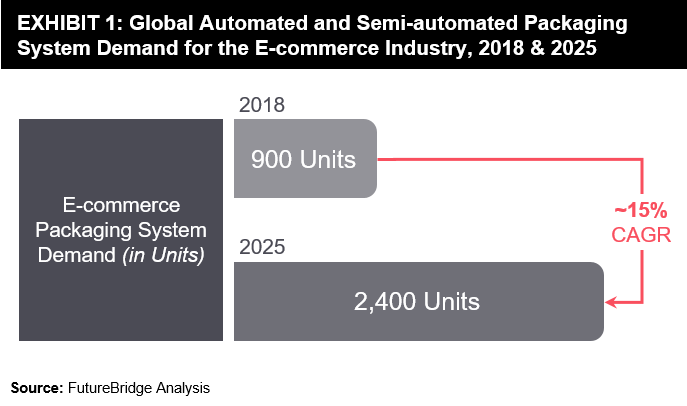
    Automated packaging systems are transforming the way products are packed, offering faster, more efficient, and cost-effective solutions compared to manual packaging. These systems are broadly categorized into fully-automated and semi-automated packaging machines. Fully automated systems handle every step—from box erection, folding, sealing, to labeling—without human intervention. In contrast, semi-automated systems perform one or a few of these functions, reducing labor while still requiring some manual input.Over the past 2–3 years, the automated packaging industry has seen significant growth, largely driven by the need to reduce product damage, cut labor costs, and improve speed and consistency in packaging. Robots and smart machines are increasingly used to pack products in corrugated boxes and flexible pouches, depending on the product’s type and weight. Among these, box packaging, especially using corrugated sheets, is becoming a preferred choice for many industries due to its durability and sustainability.A major driver of this shift is the rapid expansion of the e-commerce industry. According to the United Nations Conference on Trade and Development (UNCTAD), global e-commerce sales reached $29 trillion in 2017, with projections showing a ~10% CAGR between 2018 and 2022. This surge in online shopping is creating massive demand for automated packaging solutions, both fully and semi-automated, to streamline operations and keep up with order volumes.Recent market research by FutureBridge forecasts that the market for automated packaging systems in e-commerce will grow to 2,400 units by 2025, expanding at a CAGR of 15%. Currently, fully automated systems represent around 5% of total market demand, but adoption is quickly rising as companies look to scale and optimize their packaging processes.

    Image 1

    Integration with e-commerce:

    Web-Based Platforms:

    The growing adoption of automated packaging systems among e-commerce retailers has opened up significant opportunities for packaging manufacturers looking to enter this rapidly evolving market. These smart systems address key challenges in e-commerce by improving order fulfillment speed, reducing freight and shipping costs, minimizing labor expenses, and optimizing the use of packaging materials. As online shopping continues to surge, the demand for fast, cost-effective, and eco-friendly packaging solutions is only increasing. For manufacturers, this presents a golden chance to position themselves as vital players in the booming e-commerce supply chain by delivering innovative automation-driven packaging solutions that boost efficiency and scalability.

    video 1

    Smart Packaging

    Boosting Consumer Engagement with IoT-Enabled Smart PackagingIoT-enabled smart packaging is revolutionizing the way brands connect with consumers. By integrating QR codes, NFC tags, and other interactive technologies, companies can offer a more immersive customer experience. With just a smartphone scan, users gain instant access to product details, how-to tutorials, brand stories, or exclusive promotions. This level of transparency not only empowers consumers with valuable information but also strengthens brand trust, boosts customer loyalty, and encourages repeat purchases. As smart packaging becomes more popular, it’s becoming a powerful tool for consumer engagement in the digital age.

    Supply Chain Optimization:

    Integrating RFID tags and GPS tracking into packaging systems is transforming supply chain management. These smart technologies provide real-time visibility of products as they move through the entire logistics network. Businesses can monitor inventory with greater accuracy, reduce losses caused by theft, misplacement, or delays, and ensure faster, more reliable deliveries. Beyond tracking, RFID and GPS also offer valuable data insights that help optimize logistics planning, improve operational efficiency, and streamline inventory management. In today’s fast-paced market, smart tracking solutions are becoming essential tools for competitive, data-driven business growth.

  • How IT Services Are Transforming Pre-Production Farming for Plant-Based Foods

    Pre-Production Farming IT Solutions are changing how plant-based food brands operate. They help brands plan, track, and grow their businesses from the ground up. The plant-based food industry is changing fast. Pre-Production Farming IT Solutions are at the forefront of this shift. These technologies are changing how farmers check soil, plan crops, and predict yields. Cloud farming apps and AI dashboards help farmers make smart decisions. They guide decisions even before planting starts. Integrating data, automation, and digital tools makes pre-production farming sustainable, scalable, and precise.

    Why Pre-Production Farming IT Solutions Matter

    Pre-Production Farming IT Solutions are changing how plant-based food brands operate. They help brands plan, track, and grow their businesses from the ground up.

    Driving Change in the Plant-Based Food Industry

    The plant-based food industry is evolving rapidly, and Pre-Production Farming IT Solutions are at the forefront of this shift. These technologies are transforming how farmers check soil health, plan crops, and predict yields.

    Smarter Decisions with Cloud and AI Tools

    With cloud farming tools and AI-powered dashboards, farmers can make more informed decisions—often before a single seed is planted. These tools enhance accuracy, reduce risk, and increase productivity.

    The Road to Sustainable Farming

    By integrating data analytics, automation, and digital platforms, pre-production farming becomes not only more scalable but also more sustainable and precise—ensuring better outcomes for plant-based food producers.

    Why Pre-Production Farming Needs IT Solutions:

    In pre-production farming, farmers must make key decisions early. This includes seed choice, irrigation timing, and input planning. Pre-Production Farming IT Solutions help plant-based food producers plan smarter using real-time data. Cloud farming tools analyze climate and soil, which boost accuracy. Meanwhile, mobile dashboards remove the need for guesswork.

    Role of Data Analytics and Cloud-Based Systems:

    According to a report by FAO, smart farming technologies have significantly improved input efficiency, especially during the pre-production stages of crop planning. Pre-Production Farming Software powered by analytics enables data-driven decision-making.

    Farmers can now track:

    📊 Yield forecasting using historical weather and yield data

    ☁️ Centralized storage with cloud farming tools for multi-location access.

    🚜 Real-time alerts for soil conditions, pest risks, and irrigation.

    💡 AI recommendations to optimize labor, water, and fertilizer inputs.

    Integration of ERP and Blockchain Technologies:

    ERP farm management system

    Peunier Technologies provides a flexible ERP farm management system. It connects procurement, inventory, resource tracking, and field operations. This streamlines data from many farms, reduces waste, and improves planning.

    Blockchain seed traceability

    Traceability is critical for organic and plant-based certifications. Farmers and consumers use blockchain to trace seeds. This helps them know where seeds come from and how farmers grow them. This builds trust and transparency in the supply chain.

    Final Thoughts:

    As demand for sustainable food grows, so does the need for smarter farming practices. Pre-Production Farming IT Solutions help plant-based businesses work better. They reduce risks and increase yields. Tech tools like cloud farming, ERP systems, and blockchain traceability are paving the way for a smarter, greener future.

    Smart farming with pre-production farming IT solutions

    Green plant in soil under cloud icon representing pre-production farming IT solutions

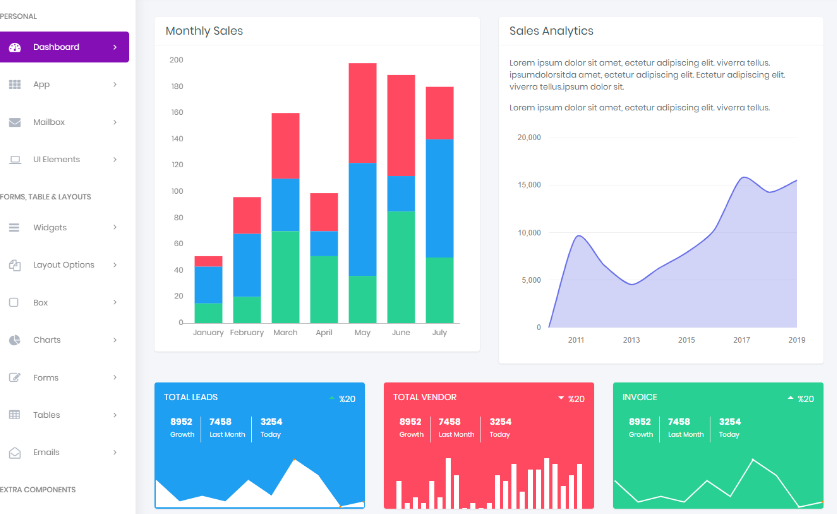
    Smart Farm Management with ERP Dashboard in Pre-Production Farming IT Solutions

    ERP dashboard interface displaying real-time analytics for sales, vendors, and inventory in pre-production farming IT solutions

  • From Shelf to Screen: Boosting Niacinamide Serum Sales in Retail with Smart IT Tools

    Niacinamide Pharmaceutical Secondary ...

    Niacinamide serum is high quality beauty product available in global market, from higly crowded beauty shelf to eCommerce website, cosmetic brand need a tech powered edge. For small to medium retailers in the skincare space, especially those focusing on active ingredients like niacinamide, IT solutions are no longer optional but they’re essential. Integrating smart digital tools like ERP, CRM, AI analytics, and online storefronts can automate operations, personalize customer journeys, and supercharge growth. This blog explores how IT services from Peunier Technologies can take niacinamide serum retailers from shelf-bound to screen ready and scale success like never before.

    Challenges faced by Niacinamide in IT service

    This image has an empty alt attribute; its file name is image.jpeg

    For the retail of Cosmetics, today is a more difficult time than ever. Although the demand for personalized beauty increases, consumer expectations are diversifying, product life cycles are shorter and niacinamide serum manufacturers face an increasingly difficult struggle.

    Retailers are faced with three main challenges today: Manual Inventory Troubles: Without an inventory management system, stock-outs and overstocked items are bound to happen. When their most popular niacinamide products run out, companies lose sales and may even suffer disaster from low turnover items again and again. Manually tracking leads to inaccurate reporting, difficult replenishment strategies.

    Lack of customer insights Many retailers are at a loss when it comes to how they capture and analyze customer data. Which type of consumers are purchasing niacinamide facial serum? What other types of products and concerns do these customers express? Without CRM systems, retailers cannot foster long-term customer loyalty or do targeted marketing.

    Inconsistent omnichannel experience Mismatch between what customers experience in-store and online. On the Web, a customer may find a product only to discover that such goods are not being sold at his local store. Or if the price is discounted, one customer will get it and another won’t. The inconsistency will surely affect trust and reduce consumer satisfaction.

    How Peunier Technologies Helps Retail Cosmetic Brands

    1. ERP for Supply Chain and Inventory Management: Across all physical storefronts and online platforms inventory orders procurement and vendor management are centralized by an enterprise resource planning (ERP) system. Retailers can:. Observe stock levels in real time. Best-selling SKUs of niacinamide that automatically reorder. Integrate vendors to ensure seamless restocking. Prevent inconsistencies in stock between online and in-store listings. As an illustration a cosmetic company that offers more than fifty niacinamide variations can use ERP to forecast seasonal increases and avoid overstocking or declining sales. 

    2. CRM Programs for Skincare Companies: Tools for customer relationship management or CRM assist in gathering and analyzing customer data such as frequency feedback skin types and past purchases. CRM makes things possible. Specific email marketing campaigns (e. g. 3. especially for clients with dry skin or acne. programs that reward loyal customers who purchase niacinamide products. product bundles and customized offers. 360-degree profiles and improved customer service. Example: Based on a customers usual usage cycle a retailer notifies them when its time to replenish their serum.

    3. AI-Powered Skin Quizzes and Suggestions: AI-powered solutions enable merchants to provide tailored product suggestions. For example the website has a skin analysis quiz that can:. Suggest oily skin treatments based on niacinamide. Make routine or package offer suggestions. Boost the average order value. Additionally these tools improve the customer experience and foster trust particularly for those who are new to skincare.

    4. eCommerce as well as website creation: A website that is SEO-friendly mobile-optimized and visually appealing is crucial. Peunier assists retailers. Create eCommerce websites with Shopify or WordPress. Add before/after photos dermatologist recommendations and client testimonials. Incorporate chatbots cart abandonment tools and payment gateways. This guarantees that your niacinamide serum is highly discoverable and easily shoppable.

    5. Automation and Digital Marketing Tools: automated email sequences according to consumer purchasing patterns. Targeting skincare demographics with Google Ads and Meta campaigns. techniques to rank for search terms such as top niacinamide serum for oily skin. . Social commerce integrations (Facebook Marketplace Instagram Shop). This increases traffic and conversions. 

    Example:

    The Visionary Benefits of Niacinamide: A Closer Look at Eye Health

    Applications for the Real World

    Case Study of BellaGlow
    The local skincare chain BellaGlow’s retail stores and online store had not been collaborated. Using Peunier’s CRM and ERP, they

    30% less loss of stocks

    50% more repeat business

    Offers that are coordinated across channels

    Success of AI Quiz
    An AI-powered the skin quiz was added by another brand. Among the outcomes were:

    40% more time devoted to the site

    Serum earnings increased by 25%.

    Local to National
    Peunier’s tools helped a cosmetics store in Jaipur grow online. In a matter of months, their niacinamide kit turned a best-seller.

    Advantages of IT Use in Retail Skincare

    Efficiency: Cuts down on manual labour and mistakes

    Customer retention: fosters loyalty and personalises communications

    Scalability: Enables growth without requiring significant adjustments to operations.

    Improved Understanding: Assists in monitoring which products are effective and why

    Professional branding uses well-designed digital platforms to establish credibility.

    Conclusion

    Niacinamide serum demand isn’t going to go down, and your company shouldn’t either. By using digital tools, retailers can improve customer experiences and streamline operations, giving them a competitive advantage. Peunier Technologies provides the know-how and resources required to close the gap between online screens and physical shelves.

    Call to Action: Do you want to use intelligent IT solutions to grow your skincare retail business? Join forces with Peunier Technologies right now.

  • “How IT Services Could Transform the Retail of Football Cleats in the Digital Economy”

    Engage & Understand how AI, CRM, ERP and blockchain are developing football cleat retail for rapid enhancement and smarter marketing.”

    Football being an globally played and enjoyed sports uses varieties of equipment. Football shoe retails are extraordinarily increasing in today’s digital era. With hard competition and uprising target audience engagement & expectations, traditional techniques of marketing and organizing inventory just don’t cut it anymore. It’s whether you’re managing a small outlet or shops or an online football shoes market, IT solutions are now play a very crucial role to develop and compete in a powerful market of Sports gear and accessories related to Football.

    From understanding several of football shoe variations in the sports market to promote & forecast demand and improve customer loyalty. Widely utilized technical tools such as ERPs, AI-based recommendations, and cloud-based research has redefined the game in overall business niches and market. This blog will help you know how ‘Peunier Technologies’ an IT consulting services could guide football shoe retailers promote their marketing operations on specific products, and rise in a competitive Sports Gear market and scale with boosting confidence.

    The Challenges Faced by Common Industrial Markets.

    Stock Management: One of the common industrial challenges it an unpredictable management of stock demand which also results in stockouts or extra stock, resulting in devastating loss of revenue and customer trust.

    Conversion rates: Several online football shoe retailing platforms struggle with lack of conversion rates because of outdated football shoe designs and poor mobile responsiveness of online platforms. Moreover, Customers tend to not purchase outdated goods from niche-specific markets as per market researches.

    Football Cleat Size Confusion: Most of the cases, customers often return their ordered football shoes due to size or sole type mismatches, which can be prevented with enhanced football shoes and sole type education and appropriate guidance to interested individuals.

    Real-Time Insights & Trends: Football shoe retailers often lack real-time information about trendy ideas and content. Retailers also tend to develop a product-oriented market rather than market-oriented. These issues lead to missed opportunities of good sales of product for stocking trendy and high-demand products in inventory.

    Disconnected Market: Marketing itself could be an common industry challenge because marketing is often generic and not connected to other niches sometimes, which reduces its potency and target-audience relationships with business.

    “How IT Services resolve these issues regarding Industrial Market and Retailing”

    1. ERP (Enterprise Resource Planning) for Stock Management
      – Peunier Technologies ERP has the potential to track stocks inflow and outflow as well as manage the inventory by Surface, Size and brand specific products. Additionally, its analytics provide automated reordering before completion of stocks resulting in gaining more revenue and sales.
    2. CRM (Customer Relationship Management) for Target Audience
      – Developing an tracking system for frequent customers, by offering discounts on customers favorite brands.
    3. AI for Customized Recommendations
      – AI technology recommends cleats based on the customer’s sport surface, browsing, and purchase history. Result: faster conversions
    4. Blockchain for Authenticity
      – Implement digital tagging and blockchain verification to guarantee customers of genuine products, especially crucial in top-end cleat segments.
    5. Cloud-Based Analytics
      – Get a snapshot of high-speed SKUs, peak months of buying, and geolocation-based demand trends through dashboard analytics.
    6. Website & App Development
      – Create a clean, mobile-optimized store with cleat feature filters. Integrate payment gateways, chatbot support, and loyalty programs.

    “Hypothetical Case Study & Benefits – Nike & Puma Sports Brands.”

    Case Study Sample: “Nike and Puma — Pioneering the Digital Revolution”

    Nike: Nike has made significant investments in its e-commerce operation through its Nike Direct approach, with mobile applications like SNKRS and personalized experiences driving growth. With real-time data and monitoring of consumer behavior, Nike is offering hyper-personalized marketing and limited drops. Its deployment of AI for demand forecasting and AR for virtual try-on is one way in which retail can seamlessly incorporate digital transformation.

    Puma: Puma’s emphasis on digital-first marketing campaigns and D2C e-commerce has enabled it to expand faster in emerging markets. By joining forces with Shopify and ERP companies, they’ve optimized logistics and backend processes. Their digital marketing integrates influencer content, trend analysis, and customer feedback loops to remain responsive and agile.

    Key Takeaways for Cleat Retailers:

    – Brand margins and control rise with direct-to-consumer platforms investment
    – Data analytics and AI enable smart forecasting and customer segmentation
    – Merging e-commerce with mobile, AR, and CRM platforms facilitates more integrated customer experiences
    – Installed Peunier Technologies ERP + CRM

    Within 4 months:
    – Stockouts fell by 45%
    – 65% boost in web sales
    – 32% customer repeat rate improvement
    – Best-selling cleat models were showcased prominently weekly

    Summary of Benefits:
    – Effective procedures – Additional income – Enhanced customer experiences – Data-driven decision-making.

    “Competitor Analysis & SWOT Summary”

    Competitors Analyzed:

    • SportsTech Innovations Blog – ERP-based, without CRM + automation data
    • Decathlon Tech Blog – UX priority over backend systems
    • SportsGrid Blog – Nicely crafted but has no blockchain or loyalty data

    Key Differentiators for Peunier Blog:

    Opportunities: Video demos, registration for webinars – Threats: Competitors can replicate structure quickly

    Has in-depth coverage of AI, blockchain, ERP, CRM

    Addressing pain points with matching digital solutions

    Offers case study with quantifiable impact

    SWOT Analysis (Peunier Blog Positioning):

    Strengths: Technical depth, pain point-oriented, strategic CTAs

    Weaknesses: Lacks real client testimonial

    Conclusion

    The future of football cleat selling lies in the hands of digital transformers. With Peunier Technologies, your company can transition from reactive to predictive, manual to automated, and stagnant to scalable. From stock roadblocks to customer defection, customized IT solutions can drive your success.

    CTA: Ready to take it to the next level? Reach out to Peunier Technologies today and transform your sports equipment retail business.

  • How Digital Marketing Helps Clinical Skincare Therapy Grow

    Dashboard digital marketing services for clinical skincare therapy.

    In today’s quickly changing beauty and wellness industry, clinical skincare therapy clinics need to do more than just offer glowing skin. Gaining the trust of potential clients and creating a powerful online presence are also important. As more people look for professional skincare solutions, clinics looking to grow cannot afford to ignore digital marketing.

    we’ll go into great detail about how digital marketing can help your skincare clinic stand out. These tools can help you attract the right clients, cultivate brand loyalty, and grow your business in the most efficient way possible. They range from SEO strategies, review management, and email marketing to creative skincare advertising and eye-catching ads.

    The Importance of Digital Marketing for Skincare Clinics

    Because more people are searching online for solutions to skin problems, clinical skincare brands need to have a strong online presence. Whether they are looking for anti-aging products, advanced skincare procedures, or acne treatment, your potential customers are searching Google, reading reviews, and browsing Instagram before making a reservation.

    Digital marketing bridges the knowledge gap between people in need and skincare experts. Being located is not as important as being preferred and trusted.

    Promoting the Skincare: Attract the Right Audience

    Skincare advertising strives to reach the right audience with a message that motivates action, not just visually appealing content. Paid digital ads can strategically position your clinic in your target audience’s social media feeds or at the top of search results.

    Creative Skincare Marketing Build Brand Identity and Credibility

    Successful Skincare Advertisements

    Videos of Client Transformation: Sincere success stories encourage authenticity.

    Behind the Scenes Content: Emphasise your clinic’s professionalism, technology, and cleanliness.

    Brief skincare tips from your experts in instructional reels or shorts boost credibility

    Examples of Creative Content Ideas

    “A normal day for a skincare therapist”

    “What happens during a microdermabrasion session?”

    “The top 5 skincare myths are debunked by our experts.”

    SEO for Skincare Clinics: Get a High Google Ranking

    SEO’s Importance for Skincare Clinics

    If your clinic doesn’t show up on the first page of search results for terms like “best acne clinic in Mumbai” or “anti-aging treatment near me,” you could lose clients to other clinics.

    How We Can Help Your Business Grow in the Skin Care Industry

    We are an agency that specialises in IT and digital solutions for skin care clinics. We offer:

    SEO that increases Google visibility for skincare clinics

    Campaign management for innovative skincare advertisements that generate leads

    Managing online reviews to increase social proof

    Email marketing for skincare that maintains audience interest

    Web design and automation tools to improve communication and bookings

    Conclusion remarks

    Both the clinical skincare therapy sector and the methods by which people look for answers are changing quickly. Conventional marketing is no longer sufficient. To really make an impact, you need a strong review system, personalised email marketing, strategic SEO for skincare clinics, targeted skincare advertising, and captivating creative skincare ads.

  • How IT Solutions Can Transform the Cosmetic Wholesaling Industry

    Introduction

    The cosmetic wholesaling industry has rapidly expanded in recent years, driven by rising consumer demand for beauty and personal care products across the globe. As brands and manufacturers multiply, wholesalers are expected to manage growing inventories, complex supply chains, and evolving customer expectations. With increasing competition, those in the cosmetic wholesaling sector must find ways to gain efficiency, enhance service delivery, and drive growth. This is where Information Technology (IT) steps in. From ERP systems to advanced analytics, IT can offer tailored solutions that address the specific challenges of the cosmetic wholesaling business.

    Challenges in the Cosmetic Wholesaling Industry

    Cosmetic wholesaling can be a profitable business, but it comes with its own set of challenges. The first step to improving operations is to clearly understand these issues and find smart IT solutions to solve them.

    Inventory is Hard to Manage

    Cosmetic wholesalers deal with tons of different products — from various shades and packaging styles to items with expiry dates. It’s easy to feel overwhelmed when you’re managing fragile items that don’t last long. If not handled properly, a lot can go to waste.

    Supply Chain is All Over the Place

    From suppliers and brands to packaging vendors and distributors, the cosmetic supply chain is full of moving parts. Without proper tracking, things can quickly go wrong, like ordering too much, running out of stock, or facing delivery delays.

    Customer Expectations Are High

    In the B2B beauty space, buyers want fast service, timely deliveries, and offers that fit their needs. Relying on manual work often leads to errors anddelays that disappoint customers.

    Lots of Rules to Follow

    Cosmetic products need to follow strict rules — like proper labeling, safe ingredients, and meeting health standards. Following all the local and international regulations can be tricky and time-consuming.

    Prices and Trends Keep Changing

    The cost of ingredients can go up or down anytime. Plus, beauty trends change fast. Wholesalers have to stay alert and adjust quickly to stay profitable.

    Too Much Manual Work and Scattered Data

    Many wholesalers still use spreadsheets or outdated systems. This creates confusion, slows down decisions, and often leads to costly mistakes.

    How IT Supports the Cosmetic Wholesaling Business

    ERP Systems for Cosmetic Distributors

    Using an ERP system makes it easier for cosmetic wholesalers to handle everything in one place — from finances and inventory to orders andpurchases. It keeps track of stock across different warehouses, prevents overstocking, and helps plan for future demand. Popular systems like SAP Business One or NetSuite can be customized for this industry.

    Smarter Inventory Management

    With a good IT-based inventory system, you can see stock levels in real time, track batches, and set up auto-reordering. This helps avoid waste, keeps orders accurate, and makes customers happy.

    Better Customer Management with CRM

    A CRM system helps you understand your customers better by tracking their order history and preferences. This means you can offer more personalized deals, improve service, and build stronger relationships.

    Online Wholesale Platforms

    Having a dedicated online platform allows your B2B customers to place orders anytime, check available stock, and see updated prices. Linking it with payment and delivery services makes everything smooth and fast.Using Data to Make Smart Choices

    Data analytics helps you know which products are doing well, what your customers like, and what’s trending. With this info, you can make better decisions about buying, selling, and pricing.

    Upgrading Logistics with Tech

    Digital tools for logistics — like barcode scanners, tracking systems, and route planning — make deliveries quicker, cheaper, and more reliably.

    Mobile and Cloud-Based Tools

    With mobile apps, your sales team can check prices and inventory or take orders while on the move. Cloud systems let you access business data securely from anywhere and grow without needing huge infrastructure.

    Staying Compliant with Automation

    IT tools can handle the paperwork needed for regulations, like ingredient lists or batch tracking, so you stay compliant and save time.

    Automated Marketing

    Marketing tools can help you run email campaigns, follow up with clients, and target the right audience based on their past purchases — all onautopilot.

    AI and Machine Learning Insights

    With AI, you can predict trends, plan your stock better, and tailor offers for your customers — helping you stay ahead of the competition.

  • IT Solutions to Scale Long-Term Course Delivery

    Introduction

    Scaling long-term course delivery requires more than just great content. Institutions need efficient, secure, and intelligent IT systems. This blog explores how IT solutions to scale long-term course delivery can automate workflows, enhance student engagement, and support scalable online learning—helping educators and organizations thrive in today’s digital education landscape.


    Challenges in Long-Term Course Delivery

    1. Fragmented Learning Tools
      Instructors often juggle various platforms for content, communication, assessments, and student data. This fragmentation hinders productivity and learner experience. With IT solutions to scale long-term course delivery, institutions can consolidate these functions into a unified platform.
    2. Student Engagement Drops Over Time
      Long-term courses often suffer from declining student motivation due to lack of personalization and delayed feedback. Integrating AI-driven educational engagement tools can solve this challenge effectively.
    3. Scaling Limitations
      Traditional systems often break down when a course grows from 100 to 10,000 learners. Scalable eLearning platforms with robust backend support are key to ensuring smooth growth.
    4. Inefficient Manual Processes
      Manual enrollment, grading, and tracking slow down educators. Automation in online education systems enables teams to redirect their energy toward teaching quality.
    5. Data Security Risks
      Managing sensitive student data without proper infrastructure risks non-compliance and breaches. Advanced IT solutions for education compliance are essential.

    Peunier Technologies: Solving Core Problems

    1. Unified Learning Platforms

    Peunier develops mobile-optimized learning management systems (LMS) designed to centralize all aspects of long-term education: attendance, assignments, assessments, and learner dashboards. These platforms are among the most trusted IT solutions to scale long-term course delivery and ensure consistency and efficiency.

    2. Conversational AI Assistants

    Virtual student agents built with conversational AI offer round-the-clock query support, progress nudges, content recommendations, and real-time feedback. This boosts student satisfaction and course completion rates. It’s a prime example of AI-powered education platforms at work.

    3. ERP and CRM for Education

    Peunier’s ERP-CRM integrations cover every stage of the student journey:

    • Inquiry handling
    • Lead nurturing and enrollment automation
    • Payment scheduling and fee tracking
    • Performance dashboards and alumni engagement

    These tools are tailor-made IT solutions for scalable course delivery systems.

    4. Smart Workflow Automation

    Repetitive tasks like attendance marking, certificate generation, and progress updates are automated with Peunier’s workflow tools. This accelerates administrative speed and reduces errors in long-term course management.

    5. Blockchain-Based Certification

    To validate course completion and enhance employer trust, Peunier implements blockchain-backed certificates. These digital credentials add transparency and brand value to institutions offering long-duration online courses.

    6. Cloud Infrastructure for Scale

    With cloud-based solutions, Peunier ensures zero downtime, secure hosting, and scalability for thousands of concurrent learners. This infrastructure complies with GDPR and other data regulations, making it a cornerstone of IT solutions to scale long-term course delivery.

    7. Digital Growth Tools

    To help institutions market their long-term courses effectively, Peunier offers:

    • SEO services tailored for education platforms
    • Automated lead scoring and CRM follow-ups
    • Analytics dashboards to track engagement and conversions

    These features empower educational institutions to expand with confidence.


    Case Study: EduCraft Academy (Hypothetical)

    EduCraft, a mid-sized edtech company offering 6–12-month certification programs, faced challenges scaling from 200 to 8,000 active learners. Partnering with Peunier Technologies led to transformative results:

    • Integrated LMS + CRM solution deployed
    • AI chatbots introduced to offer 24/7 student assistance
    • Automated assessments and result processing
    • Blockchain-backed certificate engine

    Within 12 months, EduCraft’s operational costs dropped by 35%, and learner satisfaction soared by 40%. This case underlines the effectiveness of IT solutions to scale long-term course delivery.


    Top 5 Benefits of Using IT Solutions to Scale Long-Term Course Delivery

    1. Operational Efficiency: Automation reduces admin time and human error.
    2. Seamless Scaling: Platforms grow as your learners grow.
    3. Data Security: Enterprise-level protection of personal and academic data.
    4. Better Learning Outcomes: AI and analytics support student retention.
    5. Credential Trust: Blockchain ensures verifiable, employer-friendly certifications.

    By integrating modern IT infrastructure for course delivery, institutions future-proof their offerings and establish themselves as innovation leaders.

    AI assistant designed as part of IT solutions for long-term course delivery platforms

    SEO Best Practices and Digital Visibility

    In the age of digital-first education, it’s not just what you offer—it’s how easily learners can find it. Optimizing your LMS platform, course pages, and lead forms using SEO-friendly strategies helps you reach more prospective students.

    Key SEO Tactics Include:

    • Incorporating keywords like “scalable LMS platforms”, “IT services for online courses”, and “digital education infrastructure”
    • Using fast-loading, mobile-responsive interfaces
    • Adding metadata, image alt text, and schema markup

    Peunier Technologies not only delivers platforms but also helps your brand become more visible online.


    Conclusion

    Modern education systems need modern tools. Long-term course delivery is no longer feasible without smart, scalable, and secure IT infrastructure. With its suite of automated tools, AI integration, and blockchain-backed credentials, Peunier Technologies offers the most reliable IT solutions to scale long-term course delivery and grow your learning ecosystem. Whether you’re just starting or scaling to 10,000 learners, Peunier is your trusted tech partner.

    Contact Us: Peunier Technologies to schedule a free strategy session.